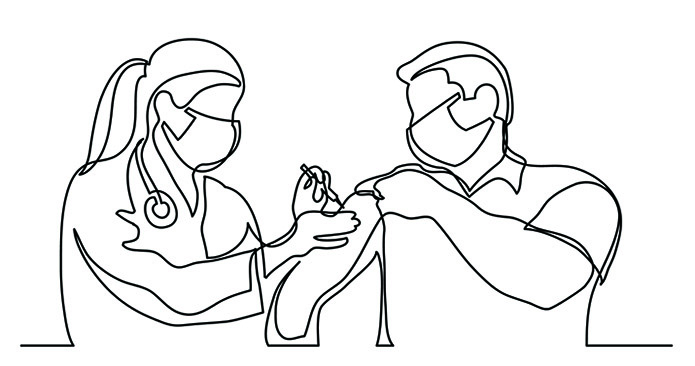
Even the most minor of wounds can turn into a big deal if not treated properly, especially when seniors are concerned. Seniors are more susceptible to wounds due to skin being more fragile as we age, along with weakened immune systems and compromising conditions like diabetes and cancer.
Topeka Center for Rehabilitation and Nursing has four ways that you can simply dress a wound to avoid complications like infections.
- Stay Safe and Clean
If you’re a caregiver for a senior, you should be aware of universal precautions. These are steps medical professionals take to avoid the spread of disease. Universal precautions state that you should treat every bodily fluid as if it is contagious. You should wear gloves and other protective equipment when dealing with these situations.
2. Stop the Bleeding
Put pressure directly on the wound to help the blood clot and stop flowing. Use gauze or terrycloth towels to apply the pressure to assist in clotting. If the blood leaks through, apply another layer, but do not remove layers, as it could cause the wound to start bleeding again.
If the wound is more than an inch deep or if there is bright red or squirting blood, seek medical attention immediately.
3. Clean the Wound
Use running water and soap to clean the wound. Be sure to remove any dirt or foreign particles with tweezers if necessary. There are no additional benefits to using hydrogen peroxide — soap and water is just fine.
4. Cover the Wound if Necessary
It’s only advisable to cover the wound with a bandage if it’s going to come in contact with clothing or dirt. Antibiotic ointment may be used to help with pain, but it’s not necessary for wound healing.
To learn more about Topeka Center for Rehabilitation and Nursing and all of the services they offer, visit http://centershealthcare.com/topeka_center/.